
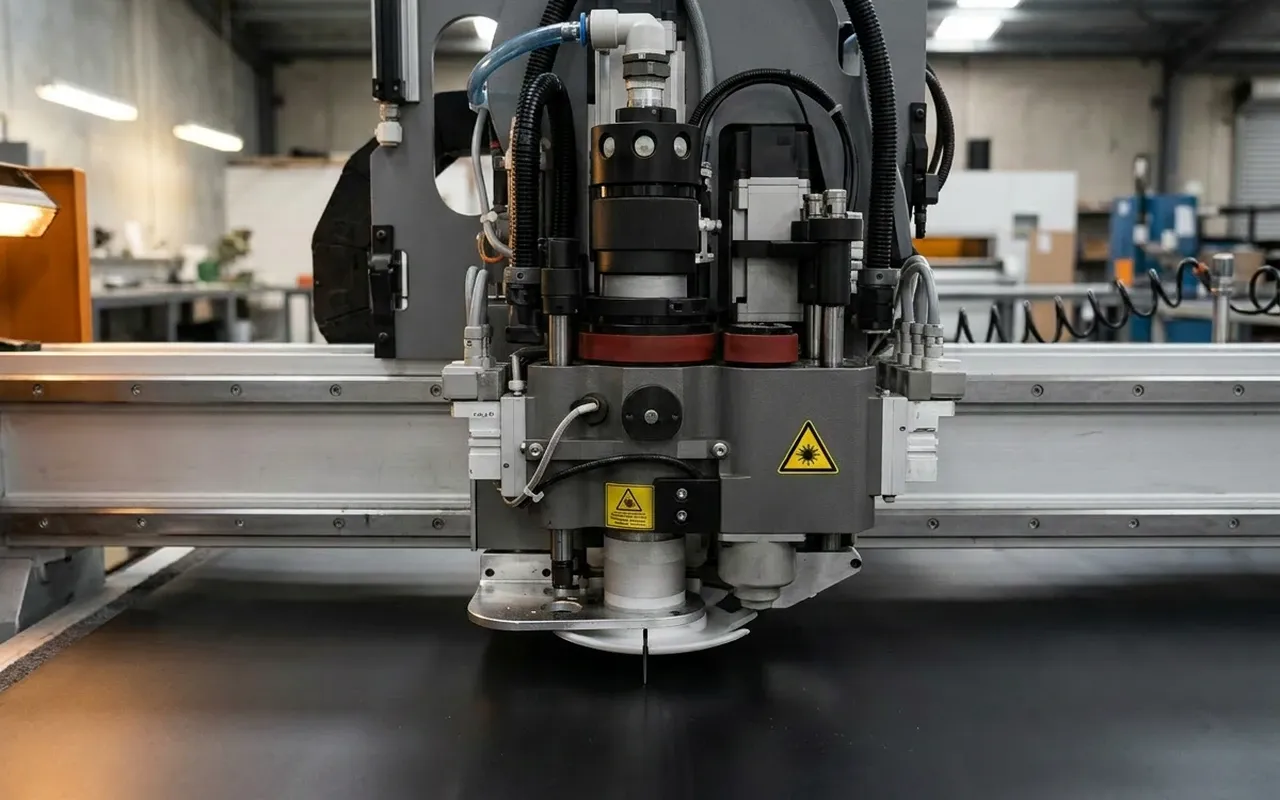
CR (Chloroprene) Closed-Cell Sponge
Closed-Cell Neoprene Foam
Closed-cell neoprene foam combines weather, ozone, and moderate oil resistance with excellent compression set recovery. We stock neoprene sponge in sheet and roll form for environmental sealing, vibration isolation, and HVAC gaskets where moderate oil resistance or self-extinguishing properties are needed alongside weather and ozone sealing.
At a Glance
Temperature Range
-40 °C to +90 °C continuous; intermittent to +100 °C
Thickness Range
1.5 mm to 50 mm
Available Forms
Colours
Technical Properties
Typical values across stocked grades. Specific grade data sheets available on request.
Physical Characteristics
Density
80–250 kg/m³ (grade dependent)
Tensile Strength
0.5–2.5 MPa
Chemical Resistance
Resistant To
- Water and dilute aqueous solutions
- Mineral oils and petroleum greases
- Ozone and UV exposure (outdoor service)
- Dilute acids and alkalis
- Refrigerants (R-134a, R-410A) — for low-pressure insulation and condensate sealing only; not rated for pressurised system seals
Limited Resistance
- Petroleum fuels (short-term splash only)
- Vegetable oils and animal fats
- Dilute solvents (alcohol-based cleaners)
Not Recommended
- Aromatic solvents (toluene, xylene), which cause swelling and breakdown
- Ketones (MEK, acetone): significant swelling and softening
- Chlorinated solvents (rapid degradation)
- Strong oxidising acids, which attack the polymer chain
Environmental Ratings
Flame Rating
Self-extinguishing — UL 94 HBF typical (≥3 mm thickness); fire-retardant grades available on request
Weather Resistance
Good, suitable for outdoor use. Neoprene's primary advantage over EPDM is oil and flame resistance, not weather resistance
Ozone Resistance
Excellent. No cracking at 50 pphm / 40 °C / 70 h per ASTM D1171
UV Resistance
Good. Black grades offer inherent UV stability for outdoor gaskets
Standards & Certifications
Standards Compliance
Common Applications
- HVAC duct gaskets and seals
- Electrical enclosure and cabinet gaskets (IP-rated)
- Outdoor equipment weather seals
- Marine hatch and porthole gaskets
- Vibration isolation pads and mounts
- Pipe and duct insulation wraps
- Expansion joint filler
- Automotive door and boot seals
Not Recommended For
- Limited to 90 °C continuous (intermittent to 100 °C). For higher temperatures, use silicone sponge
- Not resistant to aromatic or chlorinated solvents; use nitrile sponge for fuel and solvent exposure
- Higher cost than EPDM sponge, so specify neoprene only when oil or ozone resistance is needed
- Compression set increases with temperature, so avoid sustained compression above 80 °C
- Not food-safe unless specifically certified — contact us for FDA/food-grade requirements
Available Grades
Neoprene Sponge: Medium Density (ASTM D1056 2C2 / 2C3)
General-purpose closed-cell neoprene at 100–160 kg/m³, classified ASTM D1056 Type 2 Class C (oil-resistant) Grade 2 or 3 (medium compression-deflection). Our standard recommendation for weather sealing, enclosure gaskets, and HVAC applications.
Neoprene Sponge: High Density (ASTM D1056 2C4 / 2C5)
Firmer grade at 180–250 kg/m³, classified ASTM D1056 Type 2 Class C Grade 4 or 5 (medium-firm to firm compression-deflection). Used where medium-density sponge compresses too much under service loads — typical for higher bolt loads and vibration isolation.
Neoprene Sponge (Adhesive-Backed)
Medium-density neoprene with pressure-sensitive adhesive on one face. Simplifies installation on vertical and overhead surfaces — peel, stick, and seal.
CR/NBR Blend Sponge
Neoprene blended with nitrile rubber for improved fuel and oil resistance. Used in automotive and industrial applications where occasional hydrocarbon contact is expected.
Related Resources
Related Materials
Need Closed-Cell Neoprene Foam?
We supply closed-cell neoprene foam in sheet, roll, and custom die-cut forms. Contact our team for pricing, data sheets, or technical assistance.
Disclaimer
This resource is provided for general engineering reference only and does not constitute professional advice, specification, or guarantee of performance. Actual results depend on specific application conditions. Universal Gaskets Pty Ltd accepts no responsibility or liability for decisions made based on this information. For full terms, see our Terms & Conditions.