
PTFE & Fluoropolymers
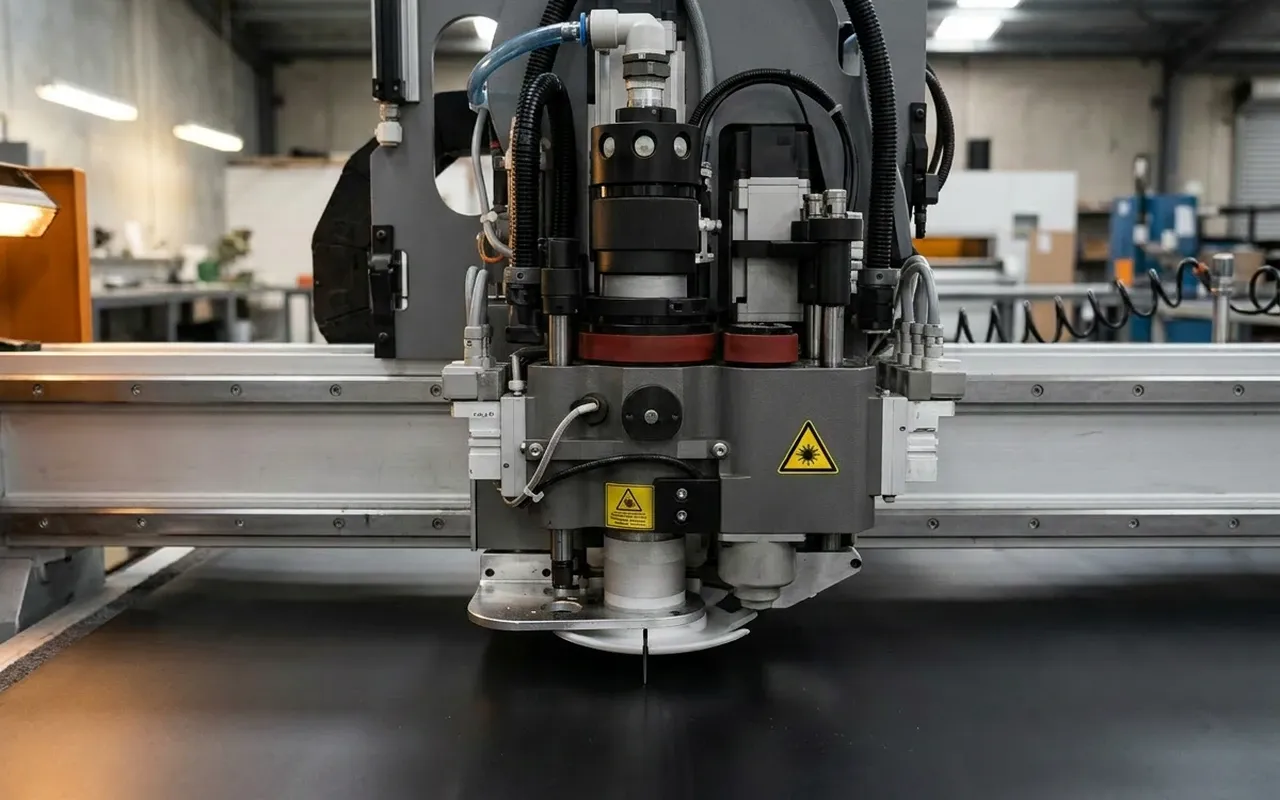
PTFE (polytetrafluoroethylene) and related fluoropolymers are specified wherever extreme chemical resistance, FDA compliance, or wide temperature capability is required. We supply virgin, filled, and expanded PTFE in sheet, rod, and custom-cut gasket forms.
Overview
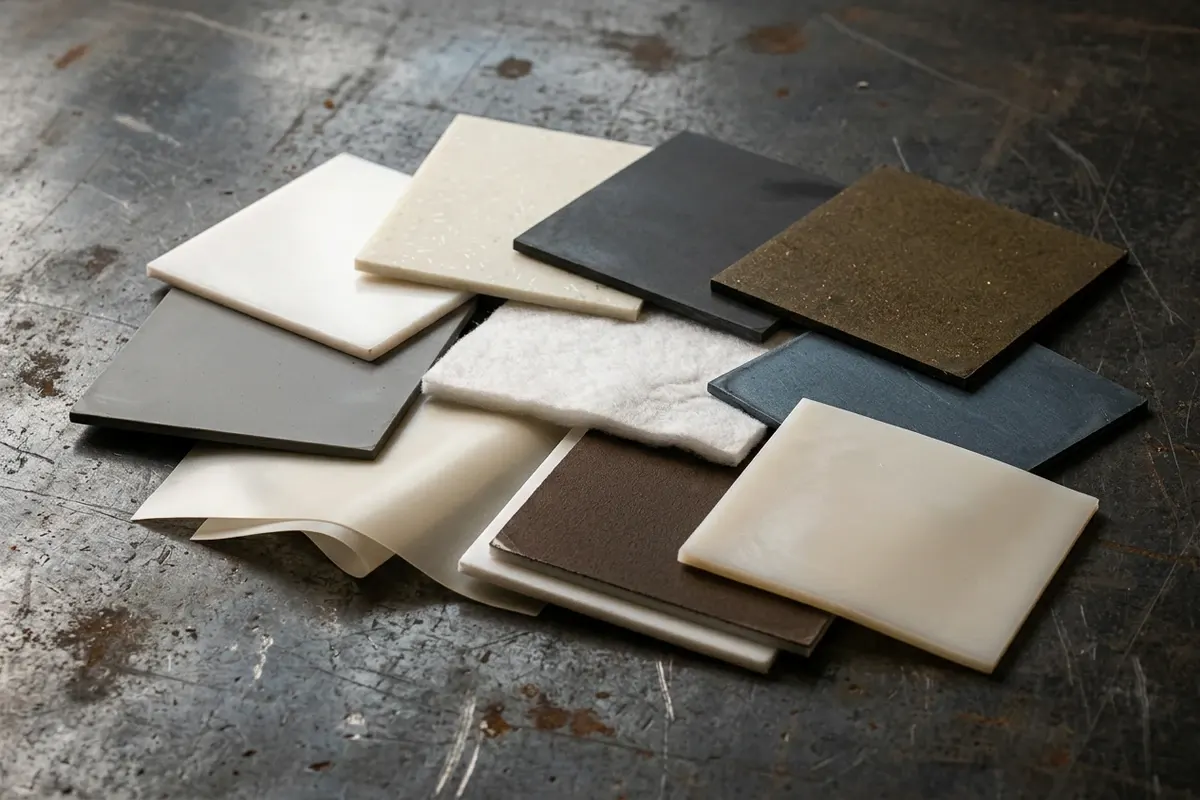
Polytetrafluoroethylene (PTFE) and its modified variants form the most chemically inert family of gasket materials available. From virgin sheet with near-universal media resistance to filled grades engineered for reduced creep and improved mechanical strength, fluoropolymers operate across a service range of −200 °C to +260 °C. Virgin PTFE handles most chemical-service selections; modified low-creep grades take over once bolt-load relaxation starts to show in audit data, and PTFE envelopes appear when the flange faces are too irregular for a flat sheet to seal. We stock virgin, filled, expanded, modified, and composite PTFE products in sheet, film, and custom-cut gasket forms for chemical processing, pharmaceutical, food-grade, and high-purity applications.
Our Range
Virgin PTFE Sheet
The chemical-service workhorse. Unfilled PTFE sheet handles virtually all media across a service range of −200 °C to +260 °C. Note: virgin PTFE creeps under sustained bolt load — for high-bolt-load flanges, step up to a modified low-creep grade.
View DetailsFilled PTFE Sheet
Pure PTFE creeps under sustained load — fillers solve that. PTFE sheet compounded with glass fibre, carbon, bronze, or stainless steel to reduce creep and improve wear, compressive strength, and thermal conductivity. Filler chemistry will narrow the chemical compatibility range — choose with the media in mind.
View DetailsExpanded PTFE (ePTFE)
Biaxially expanded PTFE with a microporous node-and-fibril structure. Highly conformable and soft-seating for irregular or damaged flanges.
View DetailsModified PTFE — Low Creep
Sintered sheet made from PPVE-modified PTFE compound with approximately 60–75% less deformation under load than virgin PTFE. Suited to high bolt-load flanged joints where filled PTFE would compromise chemical resistance.
View DetailsModified PTFE Foam Sheet
Where flanges are old, damaged, or made from a fragile material like glass or PVC, a foam grade saves the joint. Highly compressible microcellular or multi-directionally expanded PTFE sheet (55–70% compressibility). Seats at a fraction of the bolt load needed for virgin PTFE.
View DetailsPTFE Skived Film
Ultra-thin PTFE film precision-skived from sintered billet. Used as a chemical-barrier liner, release surface, and electrical insulation layer.
View DetailsPTFE/PP Composite Membrane
Microporous ePTFE membrane laminated to a polypropylene substrate. Hydrophobic barrier for filtration, protective venting (IP64–IP68), and moisture exclusion. Not a gasket material.
View DetailsPTFE Envelope Gaskets
PTFE-encapsulated gaskets with a filler core (rubber, fibre, or corrugated metal) combining the chemical inertness of PTFE with the resilience of the core material.
View DetailsRelated Resources
Chemical Compatibility
Check material resistance to 200+ chemicals and media in our interactive database.
Search DatabaseSheet Rubber Selection
Compare rubber compounds side by side with our interactive selection tool.
Compare MaterialsGasket Selection Guide
Step-by-step guide to choosing the right gasket type for your application.
Explore the GuideNeed PTFE & Fluoropolymers Data or Samples?
Our team can assist with data sheets, compatibility checks, alternative grades, laminate carriers, and cut samples for testing. Reach out for pricing or technical advice.
Disclaimer
This resource is provided for general engineering reference only and does not constitute professional advice, specification, or guarantee of performance. Actual results depend on specific application conditions. Universal Gaskets Pty Ltd accepts no responsibility or liability for decisions made based on this information. For full terms, see our Terms & Conditions.